
In the enchanting realm of my children's cherished Harry Potter series, where potions are brewed and magic wands reign supreme, I decided to embark on a whimsical journey of ensuring my students experience a truly magical year. And thus, I present to you the mesmerizing Magical Meet the Counselor Escape Room.
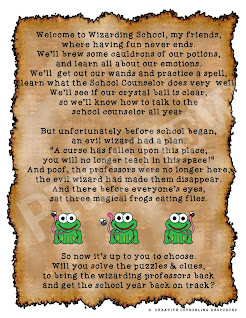
Embracing Collaborative Sorcery:
Escape rooms are like portals to thrilling quests, whisking students away to magical realms filled with wonder and mystery where teamwork takes on a magical essence. Classmates join forces in a shared enchanting quest to unravel enchantments, and solve mind-boggling puzzles that seem straight out of a sorcerer's spellbook. Communication and cooperation become their most potent wands, forging unbreakable bonds as they ignite the power of collective problem-solving.
Chapter 1: Potion Class - Unveiling the Emotion Elixir
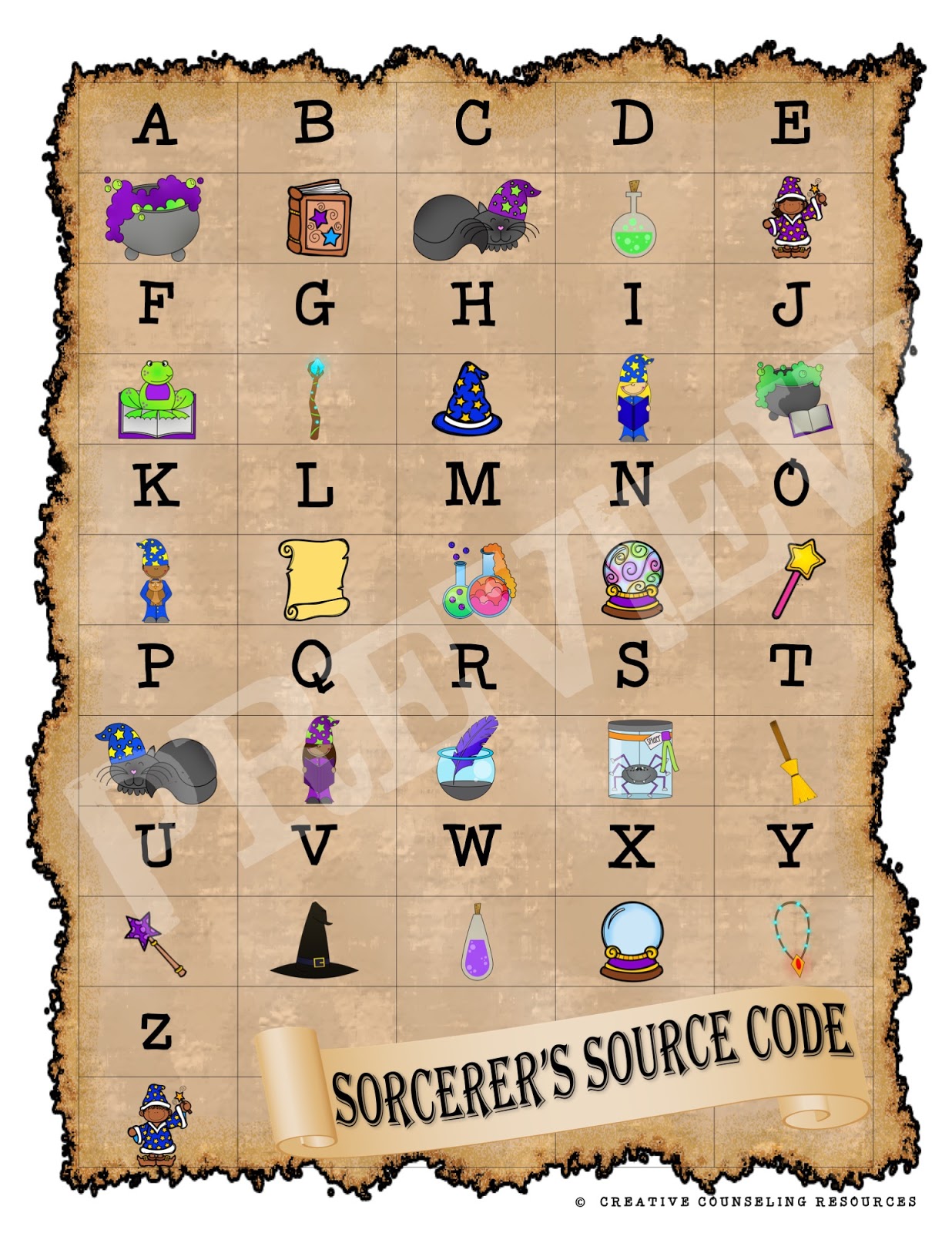
In this mystical classroom, students gather in small groups, tasked with unraveling the secrets of the Emotion Potion Puzzles to unveil a vital clue. Nine bewildering Emotion Potion puzzles await their mastery. Each potion holds a number on its left and a captivating image on its right. To crack the code, students consult the Sorcerer's Source Code, matching the image to its corresponding letter and placing it in the numbered space within the sentence at the bottom of the page. Once the puzzle is complete, they shall be rewarded with the esteemed Professor Quizzy.


Chapter 2: Spellbinding Spells - Deciphering the Mystical Clue
As our young sorcerers venture into the second classroom, the realm of Spells unfolds before them. Here, they must discern falsehoods by striking out the untrue boxes. Armed with the Sorcerer's Source Code, students identify the images in the remaining boxes, aligning them in the correct order to uncover the elusive clue. The completed puzzle beckons the presence of Professor Bizzy, who awaits their triumph.


Chapter 3: Wand Crafting - Unleashing the Magic Within
The third classroom unveils the art of wand crafting, where students must forge a connection between each wand and its mystical answer. Consulting the Sorcerer's Source Code once more, they identify the letter corresponding to the image on the magical answer. As the letters accumulate, the students arrange them in the order of the questions answered, filling the spaces on the crystal ball's base. With the code word now known, they navigate the crystal ball maze by spelling the word on its base. Finally, they present their achievement to Professor Dizzy, completing this enchanting chapter.


The Ultimate Clue - The Wand Awaits!
Having gathered wisdom from all three professors, our young apprentices embark on their final quest, unlocking the secret to obtaining a wand. The key lies in sorting the frogs into a cohesive sentence. As the words align, the wand becomes theirs to wield, symbolizing their triumph and unlocking a world of possibilities.

While the small groups await their peers' success, a captivating My School Counselor Flip Flap Book awaits their attention. Concealed within lies a clever method of data collection, ensuring they acquaint themselves with my name, my role, and how to seek my guidance. Once all small groups have acquired their wands, they unite their voices, chanting "Open Sesame!" in unison, unveiling a treasure trove of coloring bracelets and stickers.
Get Both of these FREEBIES by Clicking on the Picture!


Bewitching Benefits!
Enchanting Teamwork: The Magical Meet the Counselor Escape Room nurtures essential teamwork skills as students collaborate to unravel mysteries and solve puzzles, fostering camaraderie and unity.
Sorcerous Problem-Solving: Engaging in the enchanting challenges of the escape room sparks critical thinking abilities, as students analyze clues, make connections, and apply logical reasoning to overcome obstacles.
Mystical Communication Mastery: Throughout the escape room experience, students hone their communication skills, expressing thoughts clearly, actively listening, and engaging in productive discussions with their peers.
Resilience in the Face of Enchantments: The enchanting puzzles and mysteries in the escape room cultivate resilience and perseverance, empowering students to persist, adapt, and find alternative solutions when faced with challenges.
Empowerment Through Triumph: Successfully completing challenges in the escape room boosts self-confidence, as students discover their strengths, talents, and problem-solving abilities, empowering them to approach future challenges with optimism.
Bonding in the Magical Realm: The collaborative nature of the escape room encourages bonding and social interaction among students, fostering friendships, appreciating diverse perspectives, and cultivating a positive classroom environment.
Unveiling Hidden Talents: The escape room provides a platform for students to showcase their unique talents and explore their interests, whether it be puzzle-solving prowess, creative thinking, or leadership skills.
Magic Beyond the Room: The skills acquired in the escape room, including critical thinking, problem-solving, communication, and collaboration, transcend the magical realm, equipping students with valuable life skills applicable to academic pursuits, future careers, and personal growth.
Enchanting Memories and Joyful Learning: The immersive nature of the escape room creates lasting memories, associating learning with excitement, adventure, and joy, enhancing motivation and enthusiasm for future academic endeavors.
Ready to Use Resource:

If you're prepared to embark on an enchanting journey with your students, step into the world of the Magical Meet the Counselor lesson and let the magic unfold! Shop here for this resource:


Looking for more Meet the Counselor Escape Room Lessons? Check out this one:


